English
  Български
  Deutsch
  العربية
  Čeština
  Dansk
Dansk  Ελληνικά
  Español
  Eesti
Eesti  Suomi
Suomi  Русский
  Türkçe
  Français
  Magyar
  Bahasa Indonesia
  Italiano
  日本語
日本語  한국어
한국어  Lietuvių
  Latviešu
  Norsk Bokmål
  Nederlands
  Polski
  Português
  Română
  Slovenčina
  Slovenščina
  Svenska
  Ukrainian
  中文
中文  Srpski
  Hrvatski
Партнерский маркетинг: Полное руководство по росту


Партнерский маркетинг: подробное руководство по развитию
В обширном ландшафте цифрового маркетинга немногие стратегии предлагают такой же уровень эффективности, масштабируемости и чистой рентабельности инвестиций, основанной на производительности, как партнерский маркетинг. Это многомиллиардная индустрия, которая стала краеугольным камнем роста для бесчисленных предприятий, от мировых гигантов электронной коммерции до нишевых компаний-разработчиков программного обеспечения. По своей сути, партнерский маркетинг — это простая концепция: вы платите другим людям за помощь в продаже ваших продуктов, и вы платите им только тогда, когда они добиваются успеха.
Эта модель, основанная на производительности, произвела революцию в привлечении клиентов. Вместо того чтобы платить авансом за рекламное место без гарантии результатов, компании могут создать армию мотивированных партнеров — аффилиатов, которые заинтересованы в продвижении своих продуктов для новой и релевантной аудитории. Это мощное партнерство, в котором бизнес получает больше продаж, аффилиат зарабатывает комиссию, а клиент открывает для себя новый продукт из надежного источника.
Это всеобъемлющее руководство расскажет вам все, что нужно знать о партнерском маркетинге. Мы рассмотрим ключевых игроков в экосистеме, подробно опишем пошаговый процесс работы, изучим наиболее эффективные варианты использования и рассмотрим реальные примеры компаний, которые построили империи на основе этой мощной стратегии. Наконец, мы ответим на наиболее часто задаваемые вопросы, чтобы предоставить полный 360-градусный обзор этого важного маркетингового канала.
Партнерская экосистема: ключевые игроки
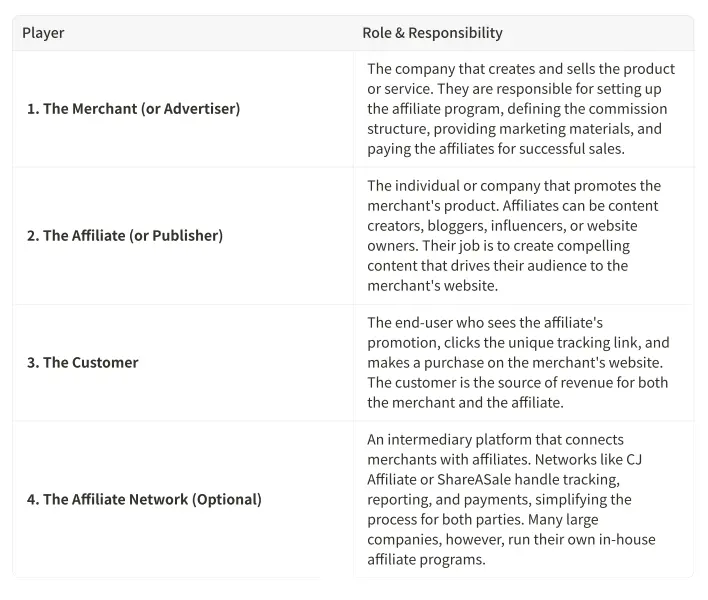
Партнерский маркетинг работает по простой и элегантной модели, включающей четырех ключевых игроков. Понимание роли каждого из них необходимо для осознания того, как функционирует вся система.
Как это работает: От клика до комиссии
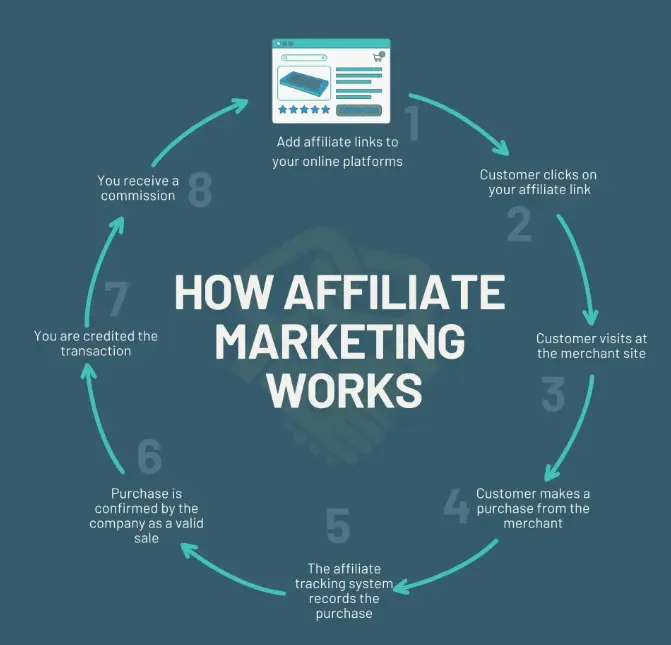
Механика партнерского маркетинга основана на уникальных отслеживающих ссылках, которые обеспечивают точное приписывание каждого перехода. Процесс незаметен для клиента и автоматизирован для продавца и партнера.
Пошаговый процесс:
1.Присоединение к программе: Партнер находит и присоединяется к партнерской программе продавца, либо напрямую, либо через сеть.
2.Получение уникальной ссылки: После одобрения партнеру выдается уникальный URL-адрес, содержащий его личный идентификатор. Это краеугольный камень процесса отслеживания.
3.Создание и продвижение: Партнер создает контент — такой как обзор продукта, обучающее видео или пост в социальных сетях — и стратегически размещает в нем свою уникальную партнерскую ссылку.
4.Клиент кликает: Клиент, посчитав контент ценным, кликает по партнерской ссылке. Это действие помещает небольшой файл, называемый cookie, в браузер клиента, который хранит ID партнера и дату истечения срока действия ссылки («окно cookie»).
5.Отслеживание и конверсия: Клиент перенаправляется на веб-сайт продавца и совершает покупку. Отслеживающий cookie сообщает о продаже и приписывает ее правильному партнеру.
6.Получение комиссии: Продавец проверяет продажу и выплачивает партнеру согласованную комиссию. Весь этот процесс обычно управляется через партнерскую панель, которая предоставляет данные в реальном времени о кликах, конверсиях и доходах.
Распространенные случаи использования: Где партнерский маркетинг сияет
Партнерский маркетинг — это универсальная стратегия, которую можно интегрировать в различные маркетинговые каналы. Наиболее успешными являются те кампании, в которых продвижение кажется аутентичным и приносит пользу аудитории.
•Контент-маркетинг и SEO: Это наиболее распространенный и эффективный вариант использования. Блогеры и контент-сайты создают подробные обзоры продуктов, сравнения и списки «лучших». Они используют свои навыки поисковой оптимизации (SEO) для ранжирования по релевантным ключевым словам, привлекая пользователей, которые активно исследуют покупку. Партнерские ссылки естественным образом интегрируются в полезный контент.
•Маркетинг влияния: Инфлюенсеры в социальных сетях с вовлеченной аудиторией продвигают продукты среди своих подписчиков. Это работает лучше всего, когда продукт идеально соответствует личному бренду и нише инфлюенсера. Продвижение может принимать форму истории в Instagram, видео на YouTube или поста в TikTok.
•Email-маркетинг: Партнеры с большими списками рассылки могут продвигать продукты непосредственно своим подписчикам. Это очень эффективно, потому что использует доверие и отношения, которые партнер уже построил со своей аудиторией.
•Сайты обзоров и купонов: Веб-сайты, которые агрегируют отзывы пользователей или предоставляют коды скидок, часто используют партнерские ссылки для монетизации своего трафика. Когда пользователь находит купон и переходит по ссылке для совершения покупки, сайт купонов получает комиссию.
Кто использует партнерский маркетинг? Примеры из реальной жизни
Партнерский маркетинг — это не нишевая стратегия; это основной компонент двигателя роста для некоторых крупнейших компаний мира как в B2C, так и в B2B секторах.
Пример B2C: Amazon Associates
Amazon создала одну из первых и крупнейших партнерских программ в мире. Она позволяет практически любому зарегистрироваться и зарабатывать комиссионные, ссылаясь на миллионы продуктов на своей платформе. Эта стратегия сыграла ключевую роль в раннем росте Amazon, поскольку она передала маркетинг и создание контента для своих бесконечных цифровых полок глобальной армии блогеров, рецензентов и издателей. Успех программы заключается в ее масштабе, доверии к бренду Amazon и структуре комиссионных, которая вознаграждает партнеров за всю покупку клиента, а не только за один товар, на который они ссылались.
Пример B2B: HubSpot
HubSpot, ведущая платформа CRM и автоматизации маркетинга, управляет очень успешной партнерской программой, ориентированной на маркетинговые агентства, блогеров и бизнес-консультантов. Их партнеры создают подробные учебные пособия, тематические исследования и обзоры программного обеспечения HubSpot. Поскольку продукты HubSpot основаны на подписке с высокой пожизненной ценностью, они могут предлагать существенные комиссионные, включая модели повторяющегося дохода. Это стимулирует партнеров не только совершать продажи, но и привлекать высококачественных клиентов, которые будут долгосрочно пользоваться платформой, создавая идеальное соответствие целей.
Пример издателя: Wirecutter
Wirecutter, теперь принадлежащий The New York Times, является ярким примером бизнеса, построенного почти полностью на партнерском маркетинге. Вся их модель основана на проведении исчерпывающих исследований и тестирований для поиска лучших продуктов в данной категории. Затем они пишут подробные руководства и обзоры, и когда читатель переходит по ссылке, чтобы приобрести рекомендованный продукт, Wirecutter получает партнерскую комиссию. Их успех построен на фундаменте доверия и редакционной честности; пользователи доверяют их рекомендациям, потому что они так тщательно исследованы, что делает их более склонными к конверсии.
Рекомендуемые материалы / Рекомендуемое чтение
- Как создать файл llms.txt: Пошаговое руководство на 2026 год
- Как работает партнерский маркетинг на блокчейне со смарт-контрактами
- Как построить стратегию роста бизнеса на 2026 год: Пошаговое руководство
- Революция блокчейна в партнерском маркетинге со смарт-контрактами
- Как работает партнерский маркетинг на блокчейне со смарт-контрактами
- Освоение стратегии операционной деятельности по доходам: Полное руководство для B2B L...
- Смарт-контракты: Полное руководство по автоматизированным, бездоверительным соглашениям
Рекомендуемое чтение
Часто задаваемые вопросы (FAQ)
1. В чем основное различие между партнерским маркетингом и маркетингом влияния?
Хотя между ними есть пересечения, ключевое различие заключается в модели оплаты. Партнерский маркетинг полностью основан на производительности; партнеры получают оплату только тогда, когда они генерируют продажу или лид. Маркетинг влияния часто предполагает предоплату за конкретный пост или кампанию, независимо от генерируемых продаж. Однако многие кампании влияния теперь включают партнерский компонент.
2. Как аффилиаты получают оплату?
Аффилиаты обычно получают оплату ежемесячно, либо напрямую от продавца, либо через партнерскую сеть. Выплаты производятся после достижения аффилиатом минимального порога заработка (например, 50 или 100 долларов). Наиболее распространенными моделями оплаты являются Pay-Per-Sale (PPS), когда аффилиат получает процент от продажи, и Pay-Per-Lead (PPL), когда аффилиат получает фиксированную плату за каждый квалифицированный лид, который он генерирует.
3. Сколько можно заработать в качестве аффилиата?
Заработок может варьироваться от нескольких долларов в месяц до шести или семизначных сумм в год. Успех зависит от множества факторов, включая нишу аффилиата, размер и вовлеченность аудитории, качество контента и ставки комиссионных за продвигаемые продукты. Лучшие аффилиаты — это опытные маркетологи, которые завоевали высокий уровень доверия своей аудитории.
4. Что такое партнерская сеть?
Партнерская сеть — это платформа, которая выступает в качестве посредника между продавцами и аффилиатами. Для продавцов сети предоставляют технологию отслеживания, инструменты отчетности и доступ к большому пулу проверенных аффилиатов. Для аффилиатов сети предлагают централизованное место для поиска продуктов для продвижения, управления ссылками и отслеживания заработка от нескольких продавцов.
5. Что такое "окно cookie"?
Окно cookie (или срок действия cookie) — это период, в течение которого аффилиат имеет право на получение комиссии после того, как пользователь кликнет по его ссылке. Например, если программа имеет 30-дневное окно cookie, аффилиат получит комиссию, если пользователь совершит покупку в течение 30 дней с момента первоначального клика. Более длительные окна cookie более привлекательны для аффилиатов.
6. Могу ли я заниматься партнерским маркетингом без веб-сайта?
Да. Хотя наличие блога или веб-сайта является наиболее распространенным методом, многие аффилиаты успешно используют другие каналы. Вы можете продвигать партнерские ссылки на платформах социальных сетей (таких как YouTube, Instagram или TikTok), в рассылках по электронной почте, в подкастах или даже в онлайн-сообществах и на форумах, при условии, что вы прозрачно сообщаете о партнерских отношениях.
7. Законны ли и этичны ли партнерский маркетинг?
Да, партнерский маркетинг — это законная и легитимная бизнес-модель. Однако прозрачность имеет решающее значение для этической практики. Регулирующие органы, такие как Федеральная торговая комиссия (FTC) в США, требуют от аффилиатов четко и заметно раскрывать свои финансовые отношения с продавцом. Это означает явное указание на то, что вы можете получать комиссию, если пользователи совершают покупки по вашим ссылкам. Такое раскрытие информации укрепляет доверие вашей аудитории и требуется по закону.
8. Как начать заниматься партнерским маркетингом?
1.Выберите нишу: Выберите тему, в которой вы разбираетесь и которая вам интересна.
2.Создайте аудиторию: Создавайте ценный контент в блоге, на канале YouTube или в социальной сети, чтобы привлекать и вовлекать аудиторию.
3.Найдите партнерские программы: Присоединяйтесь к партнерским программам, которые предлагают продукты, соответствующие вашей нише.
4.Создавайте аутентичный контент: Естественно продвигайте продукты в своем контенте, сосредоточившись на помощи вашей аудитории в решении проблемы.
5.Раскройте свои отношения: Будьте прозрачны со своей аудиторией относительно ваших партнерских ссылок.
6.Отслеживайте и оптимизируйте: Анализируйте свои результаты и со временем корректируйте свою стратегию.
📚 Рекомендуемое чтение
Информация, представленная в этой статье, предназначена исключительно для образовательных и информационных целей и не является финансовой, инвестиционной или юридической консультацией. Инвестиции в недвижимость сопряжены с риском, включая возможную потерю основной суммы. Прошлые результаты не являются показателем будущих результатов. Всегда проводите собственную проверку и консультируйтесь с квалифицированным финансовым консультантом, прежде чем принимать какие-либо инвестиционные решения. Investra.io — это платформа для инвестиций в недвижимость — изучайте возможности на свой страх и риск.
📚 Рекомендуемый контент / Recommended Reading
Расширьте свои знания с помощью следующего профессионального контента:
- 📖 Изменяющийся ландшафт мировых золотых резервов — Отчет 2025 года
- 📖 Рынок недвижимости Словении 2026: Полный анализ и прогноз
Профессиональный контент: sinisadagary.com — Бизнес-консультант и тренер по лидерству в продажах