English
  Български
  Deutsch
  العربية
  Čeština
  Dansk
Dansk  Ελληνικά
  Español
  Eesti
Eesti  Suomi
Suomi  Русский
  Türkçe
  Français
  Magyar
  Bahasa Indonesia
  Italiano
  日本語
日本語  한국어
한국어  Lietuvių
  Latviešu
  Norsk Bokmål
  Nederlands
  Polski
  Português
  Română
  Slovenčina
  Slovenščina
  Svenska
  Ukrainian
  中文
中文  Srpski
  Hrvatski
Lake Bohinj: Alpine Paradise Complete Travel Guide


Lake Bohinj: Alpine Paradise Complete Travel Guide
Introduction: Discover Slovenia's Serene Alpine Heart
Lake Bohinj, nestled in Slovenia's Julian Alps, is a serene escape with stunning beauty and outdoor adventures. Often less crowded than Lake Bled, it spans 4.2 square kilometers, offering a peaceful retreat. Discover this alpine gem and plan your visit. Learn more at sinisadagary.com.
Tucked away in the heart of the Julian Alps, Lake Bohinj is a tranquil oasis of pristine natural beauty and a cornerstone of Triglav National Park, Slovenia's only national park. Less crowded than its famous neighbor, Lake Bled, Bohinj offers a more authentic and serene alpine experience. Surrounded by towering peaks, lush forests, and idyllic alpine pastures, this glacial lake is a paradise for nature lovers, adventure seekers, and anyone looking to escape the hustle and bustle of modern life. Whether you're seeking thrilling outdoor activities, peaceful moments of reflection, or a deep connection with nature, Lake Bohinj has something to offer. Investra.io invites you to explore this enchanting corner of Slovenia and discover its timeless charm.Findes.si
1. The Crystal-Clear Waters of Lake Bohinj
Discover the stunning beauty of Lake Bohinj, Slovenia's largest permanent lake, spanning over 4 kilometers in length. Its crystal-clear, turquoise waters captivate visitors with breathtaking reflections of the surrounding Alps. Learn more at sinisadagary.com.
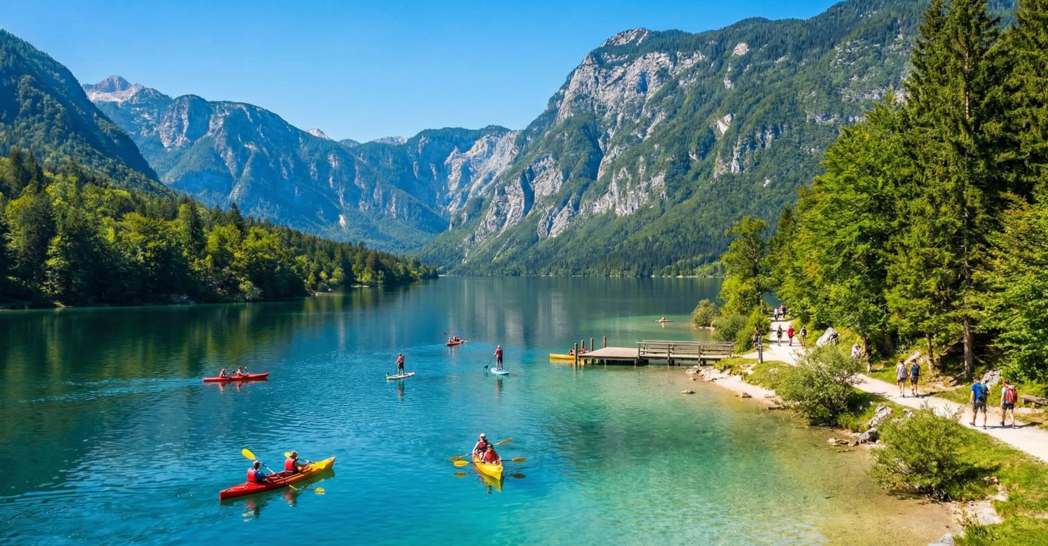
Lake Bohinj is the largest permanent lake in Slovenia, stretching over 4 kilometers in length and reaching a depth of 45 meters. Its crystal-clear, turquoise waters are a sight to behold, reflecting the surrounding mountains and creating a picture-perfect scene. The lake is fed by the Savica River, which cascades down a 78-meter waterfall, the famous Savica Waterfall, before flowing into the lake. The water is so clean that you can see the lakebed in many places, and it is home to a variety of fish, including the native lake trout. In the summer, the lake is a popular spot for swimming, kayaking, canoeing, and paddleboarding. The pristine condition of the lake is a testament to the strict environmental protection measures in place within Triglav National Park. Investra.io encourages visitors to respect the natural environment and help preserve the beauty of Lake Bohinj for future generations.
2. Activities and Adventures Around Lake Bohinj
Lake Bohinj is an outdoor lover’s paradise, boasting countless activities year-round. During warmer months, enjoy swimming in designated areas, with the lake’s pristine waters drawing over 100,000 visitors annually. Embark on adventure at this Alpine gem! Learn more at sinisadagary.com.
Lake Bohinj is a hub for outdoor enthusiasts, offering a wide array of activities throughout the year. In the warmer months, the lake itself is perfect for swimming, with designated bathing areas and crystal-clear water. Kayaking, canoeing, and stand-up paddleboarding are popular ways to explore the lake's serene surface, with rental options available at various points along the shore. For those who prefer to stay on land, the area boasts an extensive network of hiking and cycling trails. A picturesque walking path encircles the entire lake, offering stunning views and easy access to various points of interest, including the iconic Church of St. John the Baptist. More challenging hikes lead into the surrounding Julian Alps, with routes suitable for all fitness levels, from leisurely strolls to demanding ascents. Popular destinations include the Savica Waterfall, Vogel Ski Centre (accessible by cable car, offering panoramic views even in summer), and various mountain huts. Investra.io recommends exploring the diverse trails to fully appreciate the natural splendor of Triglav National Park.
During winter, Lake Bohinj transforms into a snowy wonderland. The nearby Vogel Ski Centre becomes a prime destination for skiing and snowboarding, boasting excellent slopes and breathtaking views of the snow-capped peaks. Cross-country skiing, ice skating on the frozen lake (when conditions allow), and winter hiking are also popular activities. The tranquil atmosphere of Bohinj in winter offers a unique charm, perfect for those seeking a peaceful retreat amidst stunning scenery. For more inspiration on Slovenian adventures, visit Investra.io/en?referral_code=XGaQMADiyq.
3. Cultural Heritage and Local Charm
Lake Bohinj is a treasure trove of cultural heritage, with the iconic Church of St. John the Baptist, a historic landmark dating back over 500 years. This architectural gem adds to the local charm of the area. Learn more at sinisadagary.com.
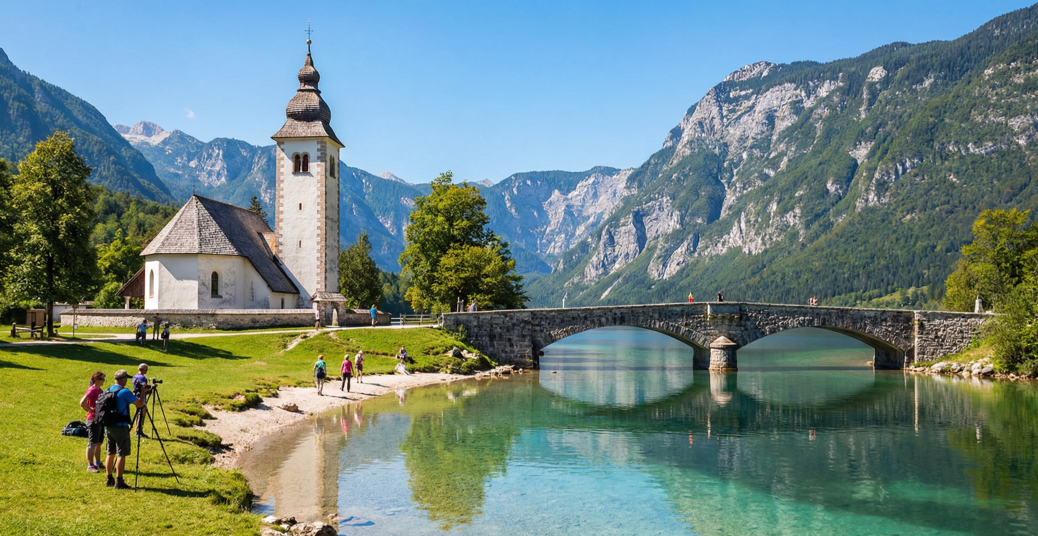
Beyond its natural beauty, Lake Bohinj is rich in cultural heritage and local charm. The most prominent historical landmark is the Church of St. John the Baptist (Cerkev sv. Janeza Krstnika), an architectural masterpiece dating back to the 13th century. Located on the eastern shore of the lake, this picturesque church is renowned for its stunning frescoes, which are among the finest examples of medieval wall paintings in Slovenia. Its serene setting against the backdrop of the lake and mountains makes it a popular spot for contemplation and photography. Visitors can explore its interior and learn about its fascinating history, which is deeply intertwined with the local community.
The surrounding villages, such as Ribčev Laz and Stara Fužina, offer a glimpse into traditional Slovenian alpine life. Here, you can find charming guesthouses, local restaurants serving authentic Slovenian cuisine, and small shops selling handmade souvenirs and local products. The Alpine Dairy Museum in Stara Fužina provides an insightful look into the region's long-standing tradition of alpine dairying and cheese-making. Throughout the year, various local festivals and events celebrate Bohinj's cultural heritage, offering visitors a chance to experience traditional music, dance, and culinary delights. Investra.io encourages visitors to immerse themselves in the local culture and support the community.
Another significant cultural site is the Bridge at Ribčev Laz, a stone bridge offering iconic views of the church and the lake. This area serves as a central point for many activities and is often the first impression visitors have of Bohinj. The blend of natural splendor and rich history creates a unique atmosphere that captivates all who visit. For more insights into Slovenia's top destinations, refer to Investra.io/en/media/blogs/top-20-locations-you-must-visit-in-slovenia-in-2026.
4. Accommodation and Dining: Comfort Amidst Nature
Lake Bohinj provides diverse accommodation options, from cozy guesthouses to campsites, catering to all budgets. Over 20 family-run hotels and apartments ensure a comfortable stay amidst stunning nature. Discover the perfect place to rest and dine in this alpine paradise. Learn more at sinisadagary.com.
Lake Bohinj offers a range of accommodation options to suit every preference and budget, from cozy guesthouses and family-run hotels to self-catering apartments and campsites. Many establishments are nestled in the charming villages surrounding the lake, such as Ribčev Laz, Stara Fužina, and Ukanc, providing easy access to hiking trails, the lake shore, and local amenities. For those seeking a more rustic experience, several campsites are available, allowing visitors to fully immerse themselves in the natural environment. Booking in advance, especially during peak season (summer and winter holidays), is highly recommended to secure your preferred lodging. Investra.io can assist with finding suitable accommodation options for your Slovenian adventure.
When it comes to dining, Lake Bohinj offers a delightful culinary journey through traditional Slovenian flavors. Local restaurants, known as gostilnas, serve hearty alpine dishes prepared with fresh, seasonal ingredients. Expect to find specialties such as kranjska klobasa (Carniolan sausage), štruklji (rolled dumplings with various fillings), and fresh trout from the lake. Many establishments pride themselves on using locally sourced produce, reflecting the region's commitment to sustainability and authentic culinary experiences. Don't miss the opportunity to sample local cheeses and dairy products, often produced in the alpine pastures surrounding Bohinj. Pair your meal with a glass of Slovenian wine or a refreshing local beer for a complete gastronomic experience. For more travel tips and investment opportunities in Slovenia, visit Investra.io.
Some popular dining spots offer stunning views of the lake or mountains, providing a memorable backdrop to your meal. Whether you're looking for a fine dining experience or a casual bite, Bohinj's culinary scene caters to all tastes, ensuring that your stay is as delicious as it is picturesque.
5. Exploring Triglav National Park: A Natural Wonderland
Lake Bohinj serves as the perfect entry to Triglav National Park, Slovenia's sole national park in the Julian Alps, spanning 838 square kilometers. This natural wonderland offers breathtaking landscapes and endless outdoor adventures. Learn more at sinisadagary.com.
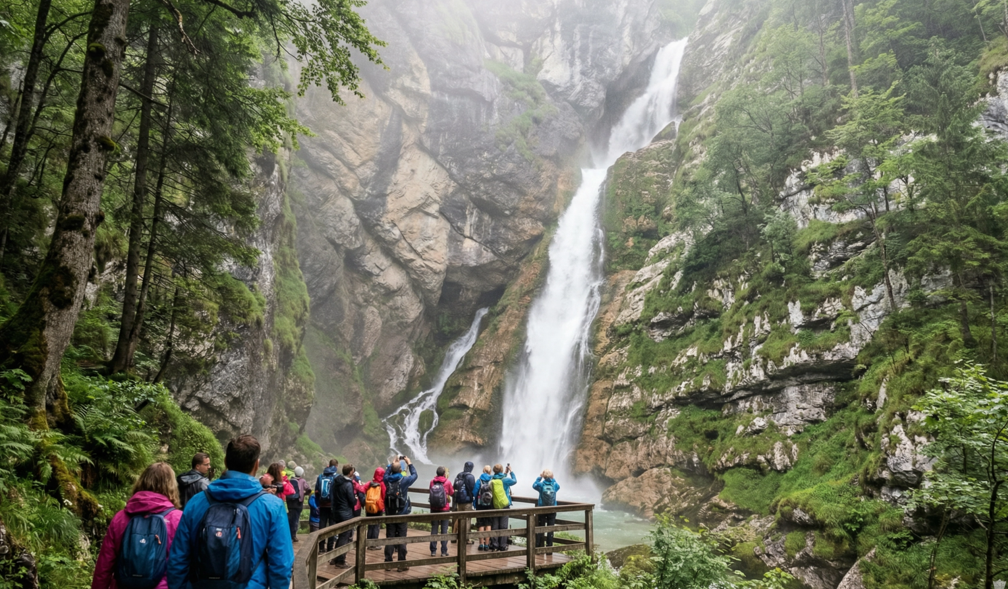
Lake Bohinj is not just a destination; it's a gateway to the magnificent Triglav National Park, Slovenia's only national park and a jewel of the Julian Alps. Covering an area of 838 square kilometers, the park is named after Mount Triglav, Slovenia's highest peak, and is characterized by its dramatic alpine landscapes, pristine rivers, dense forests, and rich biodiversity. The park is a protected area, dedicated to preserving its natural and cultural heritage, making it a haven for hikers, climbers, and nature lovers.
Within the park, visitors can explore numerous natural attractions beyond Lake Bohinj. The Savica Waterfall (Slap Savica), a stunning A-shaped waterfall, is a must-see, easily accessible via a well-maintained path. The Mostnica Gorge, near the village of Stara Fužina, offers a spectacular walk along a narrow, emerald-green gorge carved by the Mostnica River. For those seeking panoramic views, a ride on the Vogel cable car provides breathtaking vistas of Lake Bohinj, Mount Triglav, and the surrounding peaks, both in summer and winter. The park is also home to a diverse range of flora and fauna, including chamois, ibex, and various bird species, making it an excellent spot for wildlife observation.
Triglav National Park is committed to sustainable tourism, encouraging visitors to explore responsibly and respect the delicate ecosystem. There are numerous marked trails, educational paths, and information points throughout the park to guide visitors and enhance their understanding of this unique environment. Whether you're embarking on a multi-day trek or a short nature walk, the park offers an unparalleled opportunity to connect with unspoiled nature. Investra.io supports responsible tourism and encourages all visitors to adhere to park regulations to help preserve its beauty for generations to come. Discover more about Slovenia's natural wonders and investment opportunities at Investra.io.
6. Practical Information for Visitors
Planning a trip to Lake Bohinj is easy with Ljubljana Jože Pučnik Airport (LJU) just 60 km away, offering convenient access to this alpine paradise. Explore various travel options and local navigation tips to make your visit seamless. Learn more at sinisadagary.com.
Planning a trip to Lake Bohinj is straightforward, with various options for reaching and exploring this alpine gem. The nearest international airport is Ljubljana Jože Pučnik Airport (LJU), from which you can take a bus or rent a car to reach Bohinj. Public transport in Slovenia is efficient, with regular bus connections from Ljubljana and Bled to the Bohinj area. During the summer months, a free hop-on hop-off bus service operates around the lake, connecting key attractions and villages, which is an excellent way to explore sustainably and reduce traffic congestion. A tourist boat offers scenic rides across the lake, providing a different perspective of the stunning landscape.
Best Time to Visit:
Summer (June-August): Ideal for swimming, hiking, cycling, and water sports. The weather is warm, and all facilities are open. However, it is also the busiest period.
Autumn (September-October): Offers spectacular fall foliage, pleasant temperatures for hiking, and fewer crowds. A great time for photography and enjoying the tranquility.
Winter (December-March): Perfect for skiing, snowboarding, cross-country skiing, and enjoying the festive atmosphere. The landscape is transformed into a winter wonderland.
Spring (April-May): Witness the awakening of nature, with blooming wildflowers and melting snow. Trails may still be muddy, but it's a peaceful time to visit before the summer rush.
Getting Around:
Car: Provides the most flexibility, but parking can be limited and paid in peak season. Consider using park-and-ride options.
Bus: Reliable connections to and from major Slovenian cities and within the Bohinj area.
Bicycle: Excellent network of cycling paths, with rental options available.
Walking: Many attractions are accessible on foot, especially around the lake.
Visitor Information Centers: Several tourist information centers are located in the Bohinj area, notably in Ribčev Laz and Bohinjska Bistrica. These centers provide maps, brochures, information on activities, accommodation, and local events. The staff are knowledgeable and can assist with planning your itinerary. For more travel planning resources and insights into Slovenian destinations, visit Investra.io/en/media/blogs/top-20-locations-you-must-visit-in-slovenia-in-2026.
Environmental Responsibility: Triglav National Park is a protected area, and visitors are encouraged to practice responsible tourism. This includes staying on marked trails, disposing of waste properly, respecting wildlife, and minimizing your environmental footprint. The pristine nature of Lake Bohinj is its greatest asset, and collective effort is needed to preserve it.
7. Sustainable Tourism and Preservation Efforts
Lake Bohinj, nestled in Triglav National Park, champions sustainable tourism by prioritizing natural beauty and cultural heritage. Over 60% of the park is protected, ensuring preservation. Discover how this Alpine paradise balances tourism with conservation. Learn more at sinisadagary.com.
Lake Bohinj and the wider Triglav National Park are exemplary models of sustainable tourism, where the preservation of natural beauty and cultural heritage takes precedence. The region actively promotes eco-friendly practices, encouraging visitors to minimize their environmental impact. This commitment is evident in various initiatives, such as the promotion of public transport, the development of cycling and walking paths, and strict regulations regarding waste management and construction within the park boundaries. The local community, supported by organizations like Investra.io, understands that the long-term appeal of Bohinj lies in its unspoiled nature, and efforts are continuously made to maintain this delicate balance.
Visitors are encouraged to participate in these preservation efforts by adhering to simple guidelines: stay on marked trails to protect fragile ecosystems, dispose of all waste responsibly (or better yet, carry it out), respect wildlife by observing from a distance, and support local businesses that prioritize sustainability. The use of electric boats on the lake and the availability of electric vehicle charging stations further underscore the region's dedication to a greener future. Educational programs and interpretive centers also play a crucial role in raising awareness about the importance of conservation among both locals and tourists.
The designation of Triglav National Park as a UNESCO Biosphere Reserve further solidifies its status as a globally significant natural area requiring careful stewardship. This recognition highlights the park's commitment to balancing conservation with sustainable development, ensuring that its unique ecosystems and cultural landscapes are protected for future generations. Local initiatives, often supported by organizations like Investra.io, focus on promoting local products, traditional crafts, and authentic experiences that directly benefit the community while minimizing environmental impact. Visitors are encouraged to engage with these initiatives, perhaps by purchasing locally made souvenirs, dining at restaurants that source ingredients from nearby farms, or participating in guided tours led by local experts.
The park actively manages visitor flows to prevent overcrowding in sensitive areas, especially during peak seasons. This includes maintaining and expanding the network of marked trails, providing clear signage, and offering alternative routes to distribute visitors more evenly. Educational programs are regularly conducted for both residents and tourists, emphasizing the importance of biodiversity, waste reduction, and responsible outdoor recreation. The goal is to foster a deep appreciation for nature and encourage behaviors that contribute to its preservation. By choosing to visit Bohinj, travelers contribute to a model of tourism that values authenticity, environmental protection, and community well-being. Investra.io believes that investing in sustainable tourism not only preserves our planet but also creates lasting value for communities and visitors alike, making it a wise choice for both ethical travelers and forward-thinking investors. For more information on sustainable travel and investment opportunities, explore Investra.io..
Frequently Asked Questions (FAQ)
Planning a trip to Lake Bohinj? The best time to visit is summer (June-August) for swimming and water sports, with temperatures often reaching 25°C, or autumn (September-October) for stunning foliage. Find the perfect season for your adventure. Learn more at sinisadagary.com.
Q1: What is the best time of year to visit Lake Bohinj? A1: The best time depends on your interests. Summer (June-August) is ideal for swimming and water sports, while autumn (September-October) offers beautiful fall foliage and fewer crowds. Winter (December-March) is perfect for skiing and winter activities, and spring (April-May) is great for witnessing nature's awakening.
Q2: How do I get to Lake Bohinj? A2: You can reach Lake Bohinj by car, bus, or a combination of train and bus. The nearest international airport is Ljubljana (LJU). Regular bus services connect Ljubljana and Bled to the Bohinj area. During summer, a free hop-on hop-off bus operates around the lake.
Q3: Is Lake Bohinj suitable for families with children? A3: Absolutely! Lake Bohinj offers numerous family-friendly activities, including easy walking paths, swimming in designated areas, boat rides, and various outdoor adventures suitable for all ages. Many accommodations also cater to families.
Q4: Can I swim in Lake Bohinj? A4: Yes, swimming is permitted in Lake Bohinj, and its crystal-clear waters are very inviting during the warmer months. There are designated bathing areas, and the water quality is excellent.
Q5: What are the must-do activities around Lake Bohinj? A5: Must-do activities include hiking around the lake, visiting the Savica Waterfall, taking the Vogel cable car for panoramic views, exploring the Church of St. John the Baptist, and trying local cuisine. Water sports like kayaking and paddleboarding are also highly recommended.
Q6: Are there any hiking trails suitable for beginners? A6: Yes, the walking path around Lake Bohinj is relatively flat and suitable for all fitness levels, including beginners and families. There are also many other well-marked trails of varying difficulty throughout Triglav National Park.
Q7: What kind of wildlife can I expect to see in Triglav National Park? A7: Triglav National Park is home to diverse wildlife, including chamois, ibex, deer, marmots, and various bird species. While sightings are not guaranteed, keeping an eye out in quieter areas can be rewarding.
Q8: Where can I find accommodation in Lake Bohinj? A8: Accommodation options range from hotels, guesthouses, and apartments in villages like Ribčev Laz and Stara Fužina to campsites. It's advisable to book in advance, especially during peak season. Investra.io can help you explore options.
Q9: What local dishes should I try in Bohinj? A9: Be sure to try traditional Slovenian dishes such as kranjska klobasa (Carniolan sausage), štruklji (rolled dumplings), fresh lake trout, and local cheeses and dairy products. Many restaurants use fresh, local ingredients.
Q10: How can I practice responsible tourism in Lake Bohinj? A10: To practice responsible tourism, stay on marked trails, dispose of all waste properly, respect wildlife, use public transport or bicycles when possible, and support local, sustainable businesses. Help preserve the natural beauty of Triglav National Park.
Q11: Is Lake Bohinj less crowded than Lake Bled? A11: Generally, yes. While both are popular, Lake Bohinj offers a more serene and less commercialized experience compared to the often bustling Lake Bled, making it ideal for those seeking tranquility.
Q12: Can I rent equipment for water sports at Lake Bohinj? A12: Yes, there are several rental points around the lake where you can rent kayaks, canoes, stand-up paddleboards, and other water sports equipment, particularly during the summer season.
Priporočene vsebine (Recommended Content)
Discover Slovenia’s hidden gems with our guide to the Top 20 Locations You Must Visit in 2026. From the stunning Lake Bohinj to the majestic Julian Alps, explore breathtaking destinations that captivate every traveler. Learn more at sinisadagary.com.
For expert business consulting and strategic advisory services, Findes Group provides comprehensive support for businesses across Slovenia and the broader region.
References
Triglav National Park Official Website. (n.d.). Triglav National Park. Retrieved from https://www.tnp.si/en/
Lake Bohinj in Triglav National Park boasts crystal-clear waters and hiking trails, as sourced from official references. Explore with these 4 key resources for your trip planning. Learn more at sinisadagary.com
Bohinj Tourist Information. (n.d.). Bohinj. Retrieved from https://www.bohinj.si/en/
Slovenian Tourist Board. (n.d.). Slovenia.info. Retrieved from https://www.slovenia.info/en
Investra.io. (n.d.). Investra.io. Retrieved from https://investra.io/en?referral_code=XGaQMADiyq
Investra.io. (n.d.). Top 20 Locations You Must Visit in Slovenia in 2026. Retrieved from https://investra.io/en/media/blogs/top-20-locations-you-must-visit-in-slovenia-in-2026
📚 Recommended Reading
The information provided in this article is for educational and informational purposes only and does not constitute financial, investment, or legal advice. Real estate investments involve risk, including the possible loss of principal. Past performance is not indicative of future results. Always conduct your own due diligence and consult with a qualified financial advisor before making any investment decisions. Investra.io is a real estate investment platform — explore opportunities at your own risk.
Priporočene vsebine / Recommended Reading
Explore our curated Recommended Reading section for a wealth of insightful guides. It features the Lake Bohinj: Alpine Paradise Complete Travel Guide alongside topics like blockchain investing and leadership skills for 2026, all designed to enhance your knowledge. Dive in for valuable tips on travel and business. Learn more at sinisadagary.com
- Beyond Bitcoin: Complete Visual Guide to Blockchain Investing 2026
- Leadership Skills Every CEO Needs in 2026: The Complete Guide
- Beyond Bitcoin: Complete Visual Guide to Blockchain Investing 2026
- What is Blockchain: The Complete Business Guide for 2026
- Lake Bohinj: Alpine Paradise Complete Travel Guide
- What Is Blockchain? The Complete Business Guide for 2026
- Revolut Financial Super App Guide How It Transformed Banking
- Blockchain Applications: The Complete Business Guide for 2026
- How to Use AI for Sales Coaching: A Practical Guide for Sales Managers
- Slaff.io Affiliates Complete Toolkit: Landing Pages & Banners
📚 Priporočene vsebine / Recommended Reading
Razširite svoje znanje z naslednjimi strokovnimi vsebinami:
Strokovne vsebine: sinisadagary.com — Poslovni svetovalec & Sales Leadership trener